Relaps: Jak předcházet návratu depresí a úzkosti a co dělat, když se to stane
When you're working with relaps, návrat příznaků duševního onemocnění po období zlepšení. Also known as opakování příznaků, it is not a sign of failure — it's a signal that something in your life needs adjusting. Many people think recovery is linear, but in reality, it’s more like climbing a hill with occasional slips. Relaps happens to the majority of those who’ve struggled with depression, anxiety, or eating disorders — and that’s okay.
What causes a relapse? It’s rarely one big thing. More often, it’s a mix of poor sleep, unmanaged stress, skipping therapy homework, or ignoring early warning signs like withdrawing from friends or sleeping too much. MBCT, mindfulness-based cognitive therapy, was developed specifically to break this cycle. Studies show it cuts the risk of depressive relapse by nearly half — and it works without pills. It teaches you to notice the first whispers of negative thoughts before they turn into storms. You learn to step back, breathe, and not get pulled into the old mental traps.
And it’s not just about therapy. depresivní porucha, chronické onemocnění, které může opakovat doesn’t care if you’re strong, successful, or had a good week. It waits for your guard to drop — when you’re tired, lonely, or overwhelmed. That’s why prevention isn’t optional. It’s daily practice: keeping a mood journal, sticking to a sleep schedule, saying no when you’re full, calling someone even when you don’t feel like it. These aren’t chores — they’re your emotional immune system.
Some people think if they’ve been symptom-free for months, they’re "cured." But recovery isn’t about never feeling bad again. It’s about knowing what to do when you do. The people who stay well long-term aren’t the ones who avoided pain — they’re the ones who learned how to move through it without losing themselves.
In the posts below, you’ll find real, practical advice from therapists in the Czech Republic. You’ll see how mindfulness helps stop relapse before it starts, why sleep is more important than you think, and how to recognize the early signs of slipping — so you can act before things get worse. There’s no magic fix here. Just clear, proven steps — the kind that work when you’re tired, busy, and don’t have time for fluff.
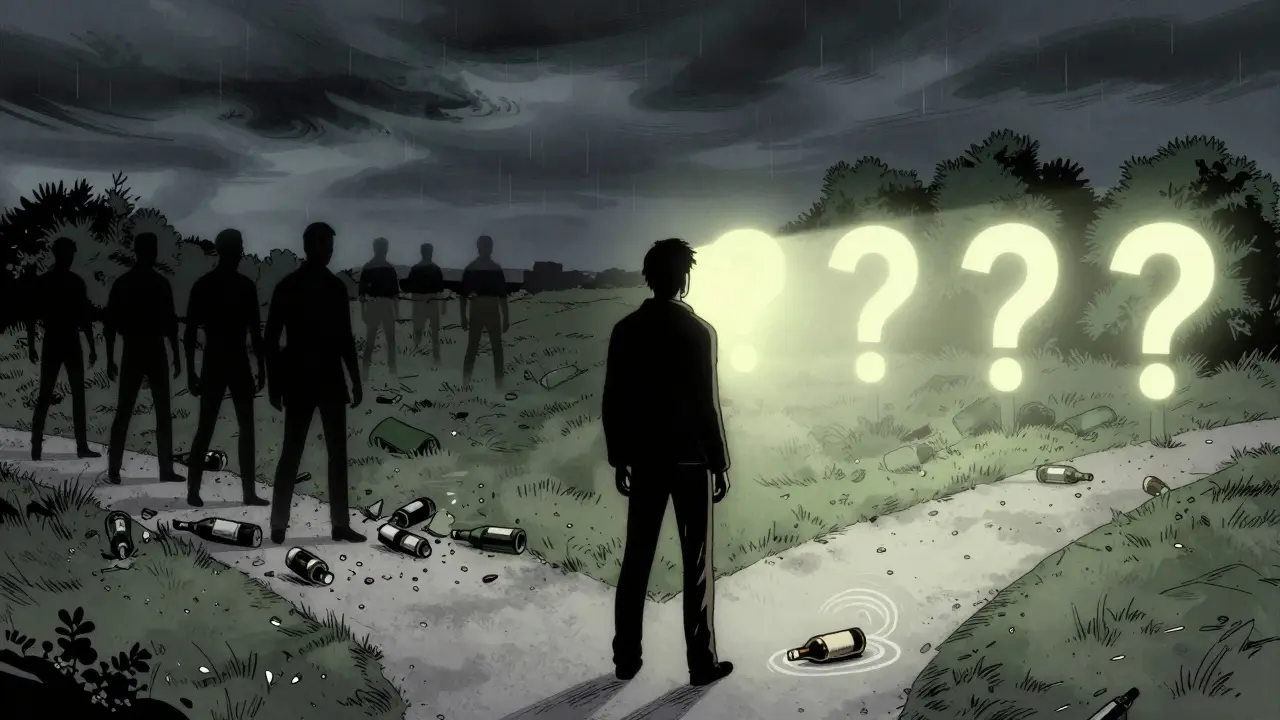
Relaps a prevence relapsu: Proč návrat k užívání není selhání v terapii
Relaps není selhání v léčbě závislosti, ale příležitost k učení. Zjistěte, jak prevence relapsu funguje, proč je prvních 90 dní kritických a jak převést chybu na sílu. Základní nástroje pro dlouhodobou abstinenci.
Zobrazit více